The Tsunami of Reality: National Anger, Ideological Collapse, and the Call to Ascension
I know many of you follow me for earth energy content and how to co-create a joyful fulfilling life with the earth. You may not know that I studied to graduate and postgraduate level in the social sciences. This background also feeds deeply into my work. So this article may not be for everyone. But if you are deeply troubled by the fractures in social cohesion we are seeing, I ask that regardless of what side of the political spectrum you sit on, you sit with it and use the steps below to help navigate the difficult road ahead as we collectively move into a new age.
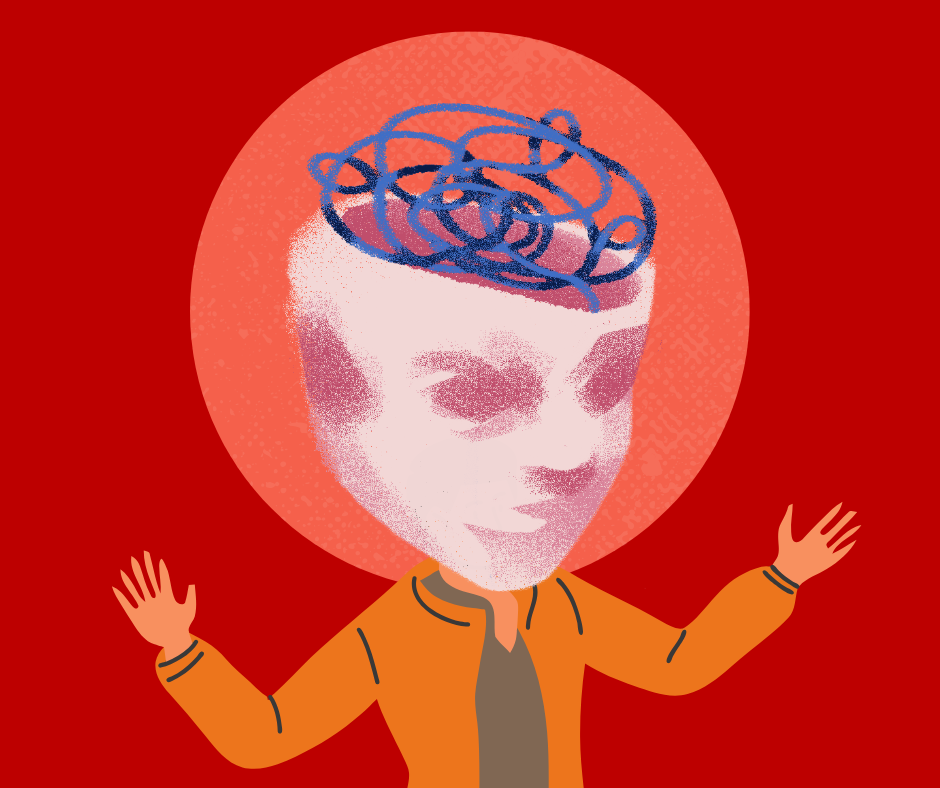
In Britain today, and much of the West, a deep and simmering anger courses through the national mood. Streets, screens, and quiet conversations hum with frustration over strained services, cultural dislocation, economic precarity, and a sense that the ground beneath everyday life is shifting. This is no mere policy dispute or passing discontent. It is the visible tremor of something far deeper: an ideological collapse. The stories, myths, and institutions that once bound a culture together are fraying, and reality is breaking through.
Ideology is not a dirty word here, nor a partisan one. It is the binding theology of a society, the shared vision of the good life that shapes institutions: politics, law, faith, education, media, and economy. These institutions do not merely govern; they maintain the social order, transmit meaning, and form the inner architecture of who we think we are. Progressive liberalism, with its faith in perpetual progress, universal rationality, managed equality, and the perfectibility of man through institutions, has served as the dominant ideology of the postwar West. It promised a utopia of material comfort, moral enlightenment, and borderless harmony. John Gray, one of liberalism’s most incisive critics, has long shown how this belief system functions as a secular cult. It replaced Christianity’s linear salvation history with a faith in human progress and its false idols, often without recognising its own religious character. In works like Seven Types of Atheism, Gray exposes how many modern “rational” worldviews smuggle in Christian-derived hopes for transformation while rejecting the transcendent ground that once made them coherent.
This ideology constructed what Walter Lippmann called a “pseudo-environment”, a manufactured picture of reality filtered through media, education, and elite consensus. People lived in the same physical world but inhabited different mental ones, shaped by aspirational slogans, consumer comforts, and narratives of inevitable moral advance. Institutions maintained this pseudo-reality with remarkable success for decades. Dissent was marginalised as regressive or hateful. The system monetised its own contradictions, selling civilisational drift as enlightenment.
Now, real reality has arrived like a tsunami. Economic pressures, migration strains, institutional failures, demographic shifts, and geopolitical shocks have crashed against the carefully curated facade. The utopia was a lie, not because every progressive impulse is wicked, but because it twisted human nature and the world into shapes that could not hold. People are seeing through the falsehood. The cataracts are falling from their eyes. What was presented as compassion often masked managerial control; what was sold as freedom frequently eroded the conditions for genuine flourishing. Anger surges because betrayal cuts deep, especially when it feels lifelong.
This is not merely political. As a Western geomancer attuned to the long view, we stand at the dying of an old epoch and the birth pangs of a new one. Cycles turn. Old structures dissolve. The question transcends right or left: it is theological. How do we want to live? In fear, clinging to collapsing idols and the safety of managed illusion? Or in freedom, facing reality squarely, anchoring in deeper truths, and participating consciously in what is emerging?
Humanity is being called to ascension: not escapist transcendence, but a maturing upward. To choose courage over denial, rootedness over abstraction, and genuine relationship over ideological possession.
The Coming Storm of Minds
As the pseudo-reality dissolves, many will face profound disorientation. Their sense of self, purpose, and morality was arranged around the old supply of official narratives. When that supply chain collapses, the meaning of lives built on it erodes. Expect mental and emotional strain, not as weakness, but as the predictable cost of a civilisation-scale revelation. History offers models: Britain’s “Keep Calm and Carry On” spirit from the Blitz reminds us that composure and quiet resolve have carried us through existential threats before. We are not starting from nothing.
The temptation to mock the afflicted or say “I told you so” must be resisted. We have all been deceived to varying degrees by a political economy of mass deception refined over a century. Do not gloat. Help where you can.
Practical To-Dos in This Crisis
Ground yourself first. Cultivate practices that reconnect body, soul, and place, whether prayer, meditation, time in nature, or ancestral reflection. A soul-centred approach reminds us to partner with the deeper intelligence within and around us, rather than abandoning ourselves in reactivity. Anger is energy; channel it into clarity and creation, not vengeance or despair.
Soldier on and tend the wounded. Those who see more clearly must maintain function for families, communities, and the vulnerable. Offer steady presence. Listen without immediate correction. Share truth gently, rooted in shared humanity rather than triumph.
Avoid fuelling chaos. Steer clear of heated arguments that escalate breakdowns. Protect your own peace while extending compassion. Spontaneous expressions of distress may rise; respond with boundaries and kindness.
Rebuild meaning locally. Strengthen real institutions: family, friendship, local economies, voluntary associations, and honest inquiry. Theology here is practical: what rituals, stories, and commitments will sustain freedom rather than fear?
Embrace the bigger picture. The old epoch’s death throes are painful, but birth is possible. Study the patterns, historical, energetic, cosmic. Despair is a luxury we cannot afford; hope grounded in realism is wisdom.
This is a four-minute warning for many minds. The world is collapsing not just around us, but within those deeply invested in the old order. Yet for those willing to see, the tsunami clears space for something truer. The choice is ours: fear’s contraction or freedom’s ascent. Britain, and the West, has weathered storms before. With clear eyes, steady hands, and open hearts, we can navigate this one toward whatever new epoch awaits. Stay sane. Help where you can. Never despair.


Comments